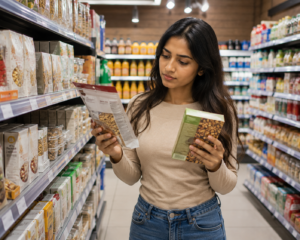
For years, rice has been blamed as one of the biggest reasons behind weight gain. Whether you’re trying to lose weight or simply eat healthier, you’ve probably heard someone say, “Stop eating rice if you want to lose weight.” As a result, many people remove rice from their diet completely and switch to foods they believe are healthier.
But is rice really the problem?
The truth is, rice itself doesn’t cause weight gain. Weight gain happens when you consistently consume more calories than your body burns. Rice is simply a source of carbohydrates—your body’s preferred source of energy. The real issue often lies in portion sizes, what you eat along with rice, and your overall lifestyle.
Let’s understand why rice has earned such a bad reputation and whether it truly deserves it.
Why Rice Gets Blamed
Rice is rich in carbohydrates, and carbohydrates have often been misunderstood. Many people assume that eating carbs automatically leads to fat gain. This belief has become so common that rice is usually the first food people eliminate when starting a weight-loss journey.
However, carbohydrates are an essential nutrient. They provide energy for your brain, muscles, and daily activities. Cutting them out completely can leave you feeling tired, hungry, and more likely to crave unhealthy snacks later in the day.
Instead of fearing rice, it’s more useful to understand how much you’re eating and what your plate looks like.
Is White Rice Unhealthy?
White rice often gets criticised because it’s more refined than brown rice. During processing, some of the fibre and nutrients are removed, but that doesn’t make white rice unhealthy.
In fact, white rice is easy to digest and is a staple food for millions of people around the world. The problem isn’t eating white rice occasionally or even daily—it’s eating very large portions without balancing your meal.
If your plate contains only a mountain of rice, your meal may not keep you full for long. But when rice is paired with protein, vegetables, and healthy fats, it becomes part of a balanced and satisfying meal.
Rice Isn’t the Enemy—An Unbalanced Plate Is
Think about a traditional Indian meal.
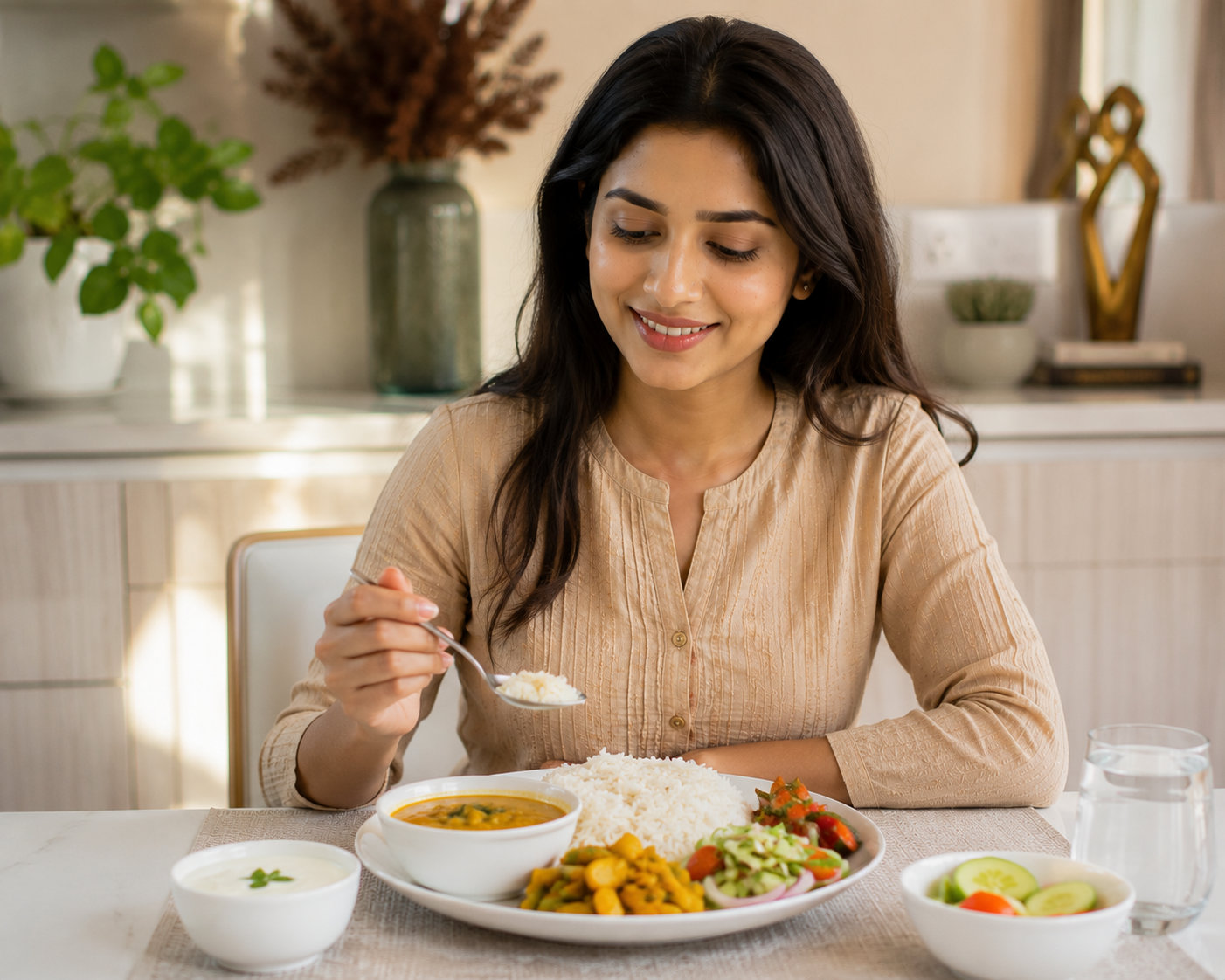
A moderate serving of rice with dal, sabzi, curd, and a salad provides carbohydrates, protein, fibre, vitamins, and minerals. That’s a balanced meal.
Now compare it to a plate filled mostly with rice and very little protein or vegetables. While both meals contain rice, the nutritional value is completely different.
Rather than removing rice from your diet, try building a balanced plate where rice is just one part of the meal, not the entire meal.
Can You Eat Rice and Still Lose Weight?
Absolutely.
Many people successfully lose weight while eating rice regularly. What matters is your overall calorie intake, physical activity, and consistency—not whether you had rice for lunch.
A practical approach is to pay attention to portion sizes instead of eliminating foods you enjoy. Eating slowly, stopping when you’re comfortably full, and including protein-rich foods like dal, paneer, curd, or legumes can help you stay satisfied for longer.
This approach is much easier to maintain than following restrictive diets that forbid everyday foods.
White Rice or Brown Rice: Which Is Better?
Brown rice contains more fibre than white rice, which may help you feel fuller for longer. It also provides slightly more vitamins and minerals because it undergoes less processing.
That said, brown rice isn’t “good” while white rice is “bad.” Both can fit into a healthy diet.
If you enjoy brown rice, it’s a great option. If your family has always eaten white rice, there’s no need to feel guilty about continuing to do so. The overall quality of your diet matters much more than choosing one type of rice over the other.
Simple Ways to Make Rice Healthier
You don’t have to give up rice to eat healthier. A few small changes can make your meals more balanced.
- Fill half your plate with vegetables or salad.
- Include a good source of protein like dal, rajma, chole, paneer, curd, or grilled tofu.
- Keep rice portions moderate instead of serving multiple refills.
- Avoid pairing rice with sugary drinks or deep-fried sides every day.
- Eat slowly and stop when you’re satisfied rather than overly full.
These habits can make a much bigger difference than removing rice altogether.
Common Myths About Rice
One of the biggest myths is that eating rice at night automatically causes weight gain. In reality, your body doesn’t suddenly store rice as fat simply because it’s evening. What matters is your total daily food intake and lifestyle.
Another common belief is that switching to expensive alternatives like quinoa is necessary for weight loss. While quinoa is nutritious, it isn’t a magic food. Traditional foods like rice, dal, vegetables, and homemade meals can be just as healthy when eaten in balanced portions.
A Dietitian’s Advice
Healthy eating shouldn’t feel like a punishment.
If you love rice, there’s no reason to remove it from your diet unless you’ve been advised to do so for a specific medical condition. Restrictive diets often lead to frustration, making them difficult to follow in the long term.
Instead of asking, “Should I stop eating rice?”, ask yourself, “How can I make my meals more balanced?”
That simple shift in thinking is often the key to building healthier eating habits that actually last.
Frequently Asked Questions
Can I eat rice every day?
Yes. Rice can be part of a healthy daily diet when eaten in appropriate portions alongside protein, vegetables, and other nutritious foods.
Is brown rice better for weight loss?
Brown rice contains more fibre, which may help increase fullness. However, both white and brown rice can fit into a weight-loss diet.
Should I avoid rice at dinner?
No. There is no scientific evidence that eating rice at dinner alone causes weight gain. Portion size and your overall diet are more important.
What is the healthiest way to eat rice?
Pair rice with protein-rich foods, plenty of vegetables, and healthy fats to create a balanced meal that keeps you satisfied.
Final Thoughts
Rice has been unfairly blamed for weight gain for years, but the science tells a different story. No single food determines whether you gain or lose weight. Your daily habits, portion sizes, and overall eating pattern matter far more.
Instead of fearing rice, learn how to enjoy it as part of a balanced meal. Healthy eating isn’t about eliminating your favourite foods—it’s about eating them in a way that nourishes your body and supports your long-term goals.