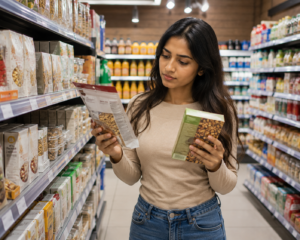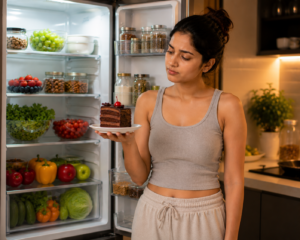

Have you ever promised yourself, “Bas aaj se sugar band,” only to find yourself reaching for a chocolate bar or a packet of biscuits a few hours later?
You’re not alone. Sugar cravings are one of the biggest challenges people face while trying to eat healthy or lose weight. The frustrating part is that these cravings often appear even after you’ve had a proper meal. One minute you’re full, and the next you’re searching the kitchen for something sweet.
The good news is that sugar cravings don’t happen without a reason. Your body is usually trying to tell you something. It could be an unbalanced meal, poor sleep, dehydration, stress, or simply a habit you’ve developed over time. Understanding the root cause is the first step towards controlling those cravings naturally.
Let’s find out why your sweet tooth refuses to go away and what you can do about it.
Why Do Sugar Cravings Happen?
Many people believe that craving sugar means they have poor self-control. In reality, cravings are often influenced by your body’s nutritional needs, hormones, and daily habits.
One of the most common reasons is skipping meals or eating meals that are low in protein and fibre. When your blood sugar rises quickly after eating refined carbohydrates like white bread, sugary cereals, or sweets, it also drops quickly. That sudden drop can leave you feeling tired, hungry, and craving more sugar.
Stress is another major trigger. When you’re under pressure, your body releases cortisol, a hormone that can increase your desire for sugary and high-calorie foods. That’s why stressful days often end with late-night dessert cravings.
Lack of sleep can make things even worse. Research has shown that sleeping less than seven hours can affect the hormones that regulate hunger, making you crave sweet and processed foods more often.
Are Sugar Cravings a Sign That Your Body Needs Sugar?
Not necessarily.
Your body needs glucose for energy, but that doesn’t mean it needs chocolates, pastries, or soft drinks. Healthy foods like fruits, whole grains, vegetables, and dairy products also provide carbohydrates that your body converts into glucose.
What you’re usually craving isn’t energy—it’s the quick reward that highly processed sugary foods provide. They stimulate the brain’s reward system, making you want more, even when you’re no longer hungry.
This is why eating a balanced diet is far more effective than trying to rely on willpower alone.
Small Changes That Can Reduce Sugar Cravings
One of the easiest ways to control cravings is to start your day with a protein-rich breakfast. If your morning meal consists only of tea and biscuits or sugary breakfast cereals, your energy levels are likely to crash before lunch.
Instead, choose foods like paneer, Greek yogurt, sprouts, moong chilla, besan chilla, or oats with nuts and seeds. Protein and fibre slow digestion, helping you stay full for longer and reducing the urge to snack on sugary foods.
Hydration is another simple habit that’s often overlooked. Mild dehydration can sometimes feel like hunger, leading you to crave snacks when all your body really needs is water. Keeping a water bottle nearby and drinking fluids regularly throughout the day can make a surprising difference.
If your cravings usually strike in the evening, don’t wait until you’re starving. A balanced snack such as fruit with a handful of nuts, roasted chana, or yogurt can help keep your blood sugar stable and prevent overeating later.
Don’t Fear Fruits
Many people avoid fruits because they’re worried about natural sugar.
That’s a mistake.
Whole fruits contain fibre, vitamins, minerals, and antioxidants that slow down the absorption of natural sugars. An apple, orange, guava, or bowl of papaya is a much healthier way to satisfy a sweet craving than reaching for packaged desserts.
The key is to choose whole fruits rather than fruit juices, which contain much less fibre and can raise blood sugar more quickly.
What Foods Help Control Sugar Cravings?
Certain foods naturally help you stay satisfied for longer and reduce the urge to snack.
- Protein-rich foods like paneer, curd, lentils, and sprouts help keep you full.
- Healthy fats from almonds, walnuts, peanuts, and seeds slow digestion and improve satiety.
- Fibre-rich foods such as oats, vegetables, fruits, and whole grains support stable blood sugar levels.
- Cinnamon may help support healthy blood sugar management when included as part of a balanced diet.
- Dark chocolate with a high cocoa content can be a better option than milk chocolate when you’re craving something sweet.
Remember, no single food can completely stop sugar cravings. The goal is to build balanced meals that keep your energy steady throughout the day.
Habits That Secretly Make Cravings Worse
Sometimes, it’s not what you’re eating—it’s what you’re doing every day.
Skipping meals, surviving on cups of tea or coffee, sleeping only five or six hours, eating while stressed, or following extremely restrictive diets can all increase cravings.
The more you tell yourself that a particular food is completely forbidden, the more tempting it often becomes. Instead of trying to eliminate every sweet food overnight, focus on moderation and healthier alternatives.
A sustainable approach always works better than an extreme one.
A Dietitian’s Advice
Sugar cravings are normal. They don’t mean you’ve failed or that you lack discipline.
Instead of fighting your cravings, try understanding them. Ask yourself whether you’re actually hungry, thirsty, tired, or simply eating out of habit.
Building balanced meals, staying active, getting enough sleep, and managing stress can reduce cravings far more effectively than cutting out sugar completely.
Healthy eating isn’t about perfection. It’s about making better choices, one meal at a time.
Frequently Asked Questions
1. Can sugar cravings be a sign of diabetes?
Occasional sugar cravings are common and don’t necessarily indicate diabetes. However, if you also experience excessive thirst, frequent urination, unexplained weight loss, or constant fatigue, consult a healthcare professional for evaluation.
2. What is the healthiest way to satisfy a sweet craving?
Whole fruits, yogurt with berries, a handful of dates with nuts, or a small piece of dark chocolate are healthier alternatives to processed sweets.
3. Why do I crave sugar after dinner?
This can happen because of habit, an unbalanced dinner, poor sleep, or stress. Including protein, fibre, and healthy fats in your evening meal may help reduce these cravings.
4. Is it okay to eat sweets occasionally?
Yes. Completely restricting your favourite foods can sometimes make cravings even stronger. Enjoying sweets in moderation as part of a balanced diet is a more sustainable approach.
Final Thoughts
Sugar cravings aren’t your enemy—they’re a signal. In many cases, they’re your body’s way of asking for better nourishment, more sleep, less stress, or balanced meals.
Rather than trying to quit sugar overnight, focus on building healthier daily habits. Small changes, repeated consistently, can make a much bigger difference than following strict diets that are impossible to maintain.