Have you ever picked up a food packet simply because it had words like “healthy,” “natural,” “multigrain,” or “low fat” written on the front?
You’re not alone.
Food companies know exactly what catches our attention. Attractive packaging and clever marketing often make products appear healthier than they really are. Unfortunately, many of these so-called “healthy foods” are loaded with added sugar, refined flour, unhealthy fats, or excessive sodium.
This doesn’t mean you need to avoid every packaged food. It simply means learning how to look beyond the label.
Let’s take a closer look at some everyday foods that seem healthy but may not be the best choice for your health goals.
Breakfast Cereals Aren’t Always a Healthy Start
Many breakfast cereals are advertised as being rich in vitamins, whole grains, and fibre. While some genuinely are nutritious, many popular cereals are packed with added sugar and refined grains.
A bowl of sugary cereal may fill your stomach for a short time, but it often leaves you feeling hungry again within a couple of hours. Instead of relying on colourful cereal boxes, choose oats, homemade muesli, or unsweetened cereals with higher fibre and lower added sugar.
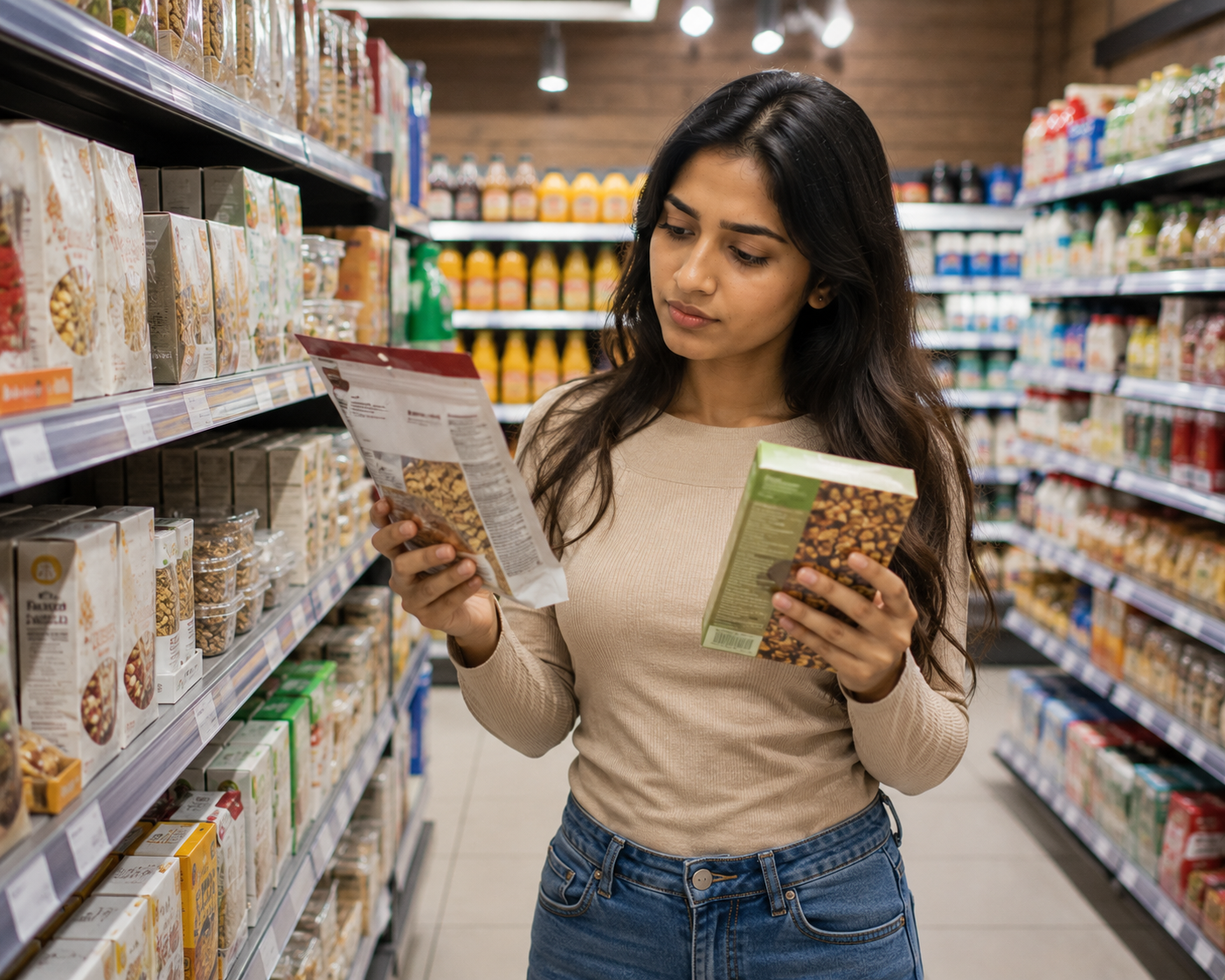
The next time you’re shopping, take a quick look at the nutrition label rather than trusting the front of the package.
Granola Isn’t Always Better Than Cereal
Granola has earned a reputation as a healthy breakfast, but many store-bought versions contain generous amounts of honey, sugar, syrups, and oils.
While oats and nuts are nutritious ingredients, the added sweeteners can turn granola into a calorie-dense food if eaten in large portions.
If you enjoy granola, choose varieties with minimal added sugar or make your own at home so you can control the ingredients.
Flavoured Yogurt Can Contain More Sugar Than You Think
Yogurt is an excellent source of protein and calcium, but flavoured versions often contain added sugar, artificial flavours, and sweetened fruit preparations.
A better option is plain Greek yogurt or unsweetened curd. If you prefer a sweeter taste, simply add fresh fruits, berries, or a sprinkle of nuts and seeds. You’ll get more fibre and nutrition without unnecessary sugar.
Fruit Juice Isn’t the Same as Whole Fruit
Many people believe fruit juice is as healthy as eating fresh fruit.
Unfortunately, that’s not always true.
Even 100% fruit juice contains much less fibre than whole fruit, and packaged juices often include added sugars and preservatives. Because juice is easy to drink quickly, it’s also much easier to consume excess calories without feeling full.
Whenever possible, choose whole fruits instead. They provide the same vitamins along with fibre that supports digestion and keeps you satisfied.
Brown Bread Doesn’t Always Mean Whole Wheat
The colour of bread can be misleading.
Some brown breads are simply made with refined flour and coloured using caramel or molasses to make them appear healthier.
Instead of judging bread by its colour, read the ingredient list. Look for 100% whole wheat flour as one of the first ingredients rather than refined flour or maida.
A few extra seconds spent reading the label can make a healthier choice much easier.
Protein Bars Can Be Highly Processed
Protein bars are convenient, especially when you’re busy, but not all of them deserve their healthy image.
Some bars contain as much sugar as a chocolate bar while also including artificial flavours and highly processed ingredients.
They can be useful occasionally, but they shouldn’t replace balanced meals or wholesome snacks like fruit with nuts, roasted chana, or homemade sprouts chaat.
Low-Fat Foods Aren’t Always the Better Option
The words “low fat” often make people assume a product is healthier.
However, when manufacturers reduce fat, they sometimes compensate by adding sugar, starches, or flavour enhancers to improve taste.
Healthy fats found in foods like nuts, seeds, curd, and dairy products are an important part of a balanced diet. Rather than avoiding fat completely, focus on choosing minimally processed foods.
Packaged Smoothies Can Be Misleading
A smoothie made at home using fresh fruits, yogurt, and nuts can be a nutritious snack.
Packaged smoothies, however, may contain fruit concentrates, added sugar, stabilisers, and preservatives that reduce their nutritional value.
Making your own smoothie takes only a few minutes and allows you to control exactly what goes into your glass.
Multigrain Doesn’t Always Mean Healthier
The word “multigrain” simply means that more than one type of grain has been used.
It doesn’t automatically mean those grains are whole grains.
Some multigrain products still contain mostly refined flour, making them less nutritious than people assume.
Again, the ingredient list tells the real story—not the marketing claims on the front of the packet.
Instant Oatmeal Isn’t Always the Same as Plain Oats
Plain rolled oats are one of the healthiest breakfast options available.
However, many instant flavoured oat packets contain added sugar, artificial flavourings, and extra sodium.
If you enjoy oats, choose plain oats and flavour them yourself with fruits, cinnamon, nuts, or seeds. You’ll enjoy more nutrition and much less added sugar.
So, How Can You Choose Healthier Packaged Foods?
You don’t need to become a nutrition expert while shopping, but developing a few simple habits can make a big difference.
When buying packaged foods, try to:
- Read the ingredient list before trusting the front label.
- Compare products instead of picking the first one you see.
- Choose foods with less added sugar and fewer artificial ingredients.
- Prefer whole grains over refined grains whenever possible.
- Remember that “natural,” “healthy,” and “multigrain” are marketing terms—not guarantees of nutrition.
A Dietitian’s Advice
Healthy eating isn’t about avoiding every packaged food.
It’s about becoming a smarter shopper.
The healthiest products often don’t have the loudest marketing. By learning to read food labels and understanding common nutrition claims, you can make better choices without feeling confused every time you visit the supermarket.
Remember, the front of the packet sells the product—but the nutrition label tells the truth.
Frequently Asked Questions
Is brown bread healthier than white bread?
Not always. Some brown breads are made with refined flour and colouring. Look for 100% whole wheat in the ingredient list.
Is fruit juice unhealthy?
Whole fruits are generally a better choice because they contain more fibre and are usually more filling than fruit juice.
Are protein bars good for weight loss?
Some protein bars can fit into a balanced diet, but many are high in sugar and calories. Always check the nutrition label before buying.
Should I stop eating packaged foods completely?
No. Packaged foods can be part of a healthy diet. The key is choosing products with simple ingredients and good nutritional value.
Final Thoughts
The healthiest-looking food isn’t always the healthiest choice.
Instead of relying on attractive packaging or marketing claims, spend a few moments reading the ingredient list and nutrition label. Over time, these small habits can help you make informed decisions that support your health without following restrictive diets.
Healthy eating begins with awareness—and sometimes, the smartest choice is simply turning the packet over before putting it into your shopping basket.